
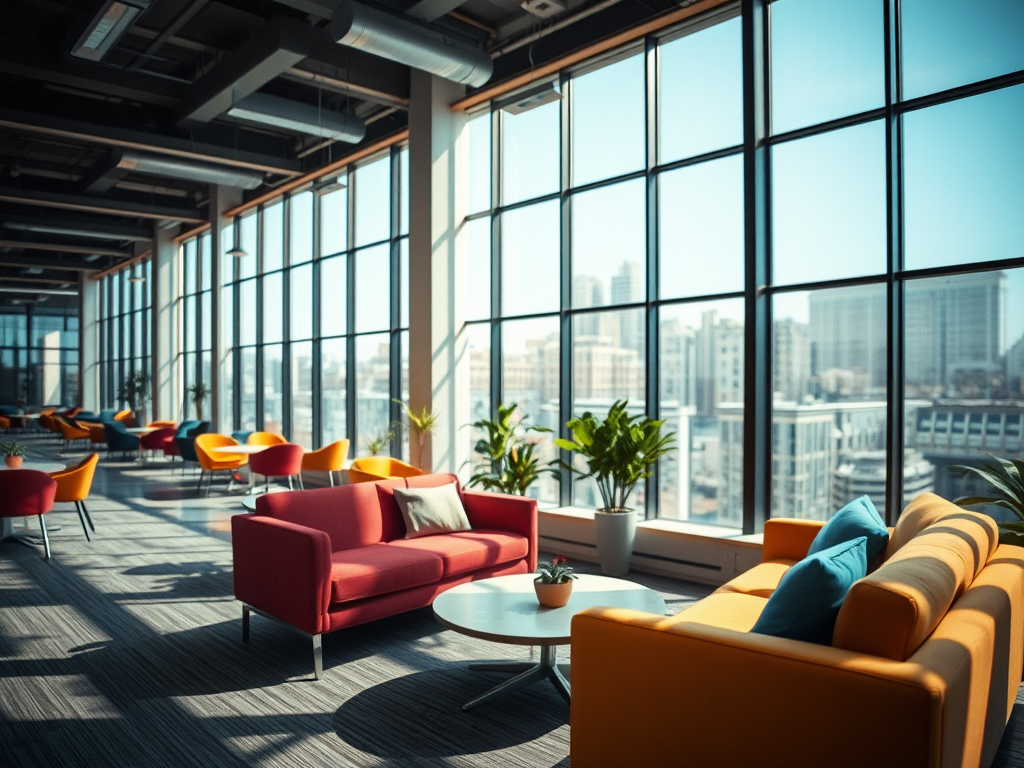
In recent years, the approach to office design has transformed significantly, emphasizing not only productivity but also well-being and creativity. The traditional cubicle setup is rapidly being replaced by dynamic breakout spaces, which encourage informal collaboration, relaxation, and a fresh take on productivity. Breakout furniture is a central aspect of this design shift, helping to redefine the workplace as a more inviting and flexible environment. This article delves into the benefits, types, and design considerations for breakout office furniture and how it is shaping modern office culture.
Why Breakout Spaces Matter in the Modern Office
Breakout areas serve multiple purposes in today’s office environments. They offer employees a place to take a break from their desks, socialize, and brainstorm ideas in a more relaxed setting. The versatility of these spaces makes them ideal for team meetings, informal gatherings, or simply a quiet area to recharge. By fostering these alternative environments, companies are seeing improvements in employee satisfaction, creativity, and productivity. Breakout areas are also valuable in supporting mental health, as they provide employees with a dedicated space to unwind and relieve stress during the workday.
Essential Characteristics of Breakout Furniture
Breakout furniture varies in style, but several key characteristics define its effectiveness in an office setting:
- Comfort: The primary goal of breakout furniture is to create a welcoming environment, so comfort is crucial. Chairs, couches, and stools should be soft yet supportive, allowing employees to relax without sacrificing posture.
- Flexibility: As breakout areas are used for different purposes throughout the day, flexible furniture that can be moved and reconfigured is highly beneficial.
- Durability: Office furniture must withstand daily use, making materials and craftsmanship important considerations.
- Aesthetic Appeal: Breakout furniture often features vibrant colors and modern designs, adding a touch of personality and warmth to an office, which in turn enhances creativity.
These factors come together to create spaces where employees feel at ease, ultimately promoting more meaningful interactions and effective teamwork.
Types of Breakout Office Furniture for a Functional Space
Choosing the right breakout furniture involves understanding the needs of the team and the type of work being done. Here are some popular types:
- Modular Seating: Adaptable to any setting, modular seating allows teams to configure seating arrangements based on the task at hand. They are ideal for both group collaboration and individual relaxation.
- Soft Seating: Couches, armchairs, and bean bags are staples in breakout spaces, providing a casual, cozy vibe that helps employees feel at home.
- High Tables and Stools: High tables and stools create an area where employees can stand or sit for quick discussions, providing an alternative to traditional seated arrangements.
- Privacy Pods and Booths: For moments that require focus or privacy, enclosed seating options are excellent. These booths offer a quiet place for phone calls, video meetings, or individual work.
- Collaborative Tables: Large tables promote teamwork, allowing colleagues to spread out their work and interact comfortably.
Each type serves a specific function within a breakout space, offering flexibility to meet various needs and preferences.
Design Considerations for Breakout Spaces
When creating a breakout space, several design elements must be taken into account. These spaces should align with the overall aesthetic and goals of the company while providing a comfortable environment for employees.
- Space Planning: Breakout areas should be strategically located within the office, ideally away from high-traffic or noisy zones, to maintain a peaceful atmosphere.
- Lighting: Natural light is preferred, as it has been shown to boost mood and focus, but well-designed artificial lighting can also enhance the space’s ambiance.
- Acoustics: To create a relaxing environment, the breakout area should be soundproofed if possible. Soft furnishings can help absorb sound and maintain a quiet atmosphere.
- Color and Material Choices: Bright colors can create an energetic space, while neutral tones promote relaxation. The choice of materials also affects the room’s overall feel and durability.
Incorporating these design principles ensures the breakout area meets employees’ needs and provides a conducive environment for relaxation and collaboration.
Benefits of Breakout Furniture in Boosting Productivity
Breakout office furniture has a unique way of fostering productivity by supporting both focused work and collaboration. In a space designed for comfort and openness, employees feel encouraged to think outside the box, often resulting in better problem-solving and more innovative ideas. Additionally, employees who can take regular, short breaks away from their desks are likely to experience less fatigue, making them more efficient throughout the day.
These productivity benefits are particularly valuable in industries that rely on creativity, such as marketing, design, and technology. With the right breakout setup, companies can harness a more energetic, engaged, and collaborative workforce.
Conclusion: Redefining the Workplace Through Thoughtful Design
The integration of breakout spaces equipped with versatile furniture has become essential in the modern office. These areas promote collaboration, reduce stress, and ultimately contribute to a healthier, more engaging work environment. By investing in breakout office furniture, companies can foster a culture of creativity and well-being that supports their team’s diverse needs and work styles.
 Furnita
Leave a comment