
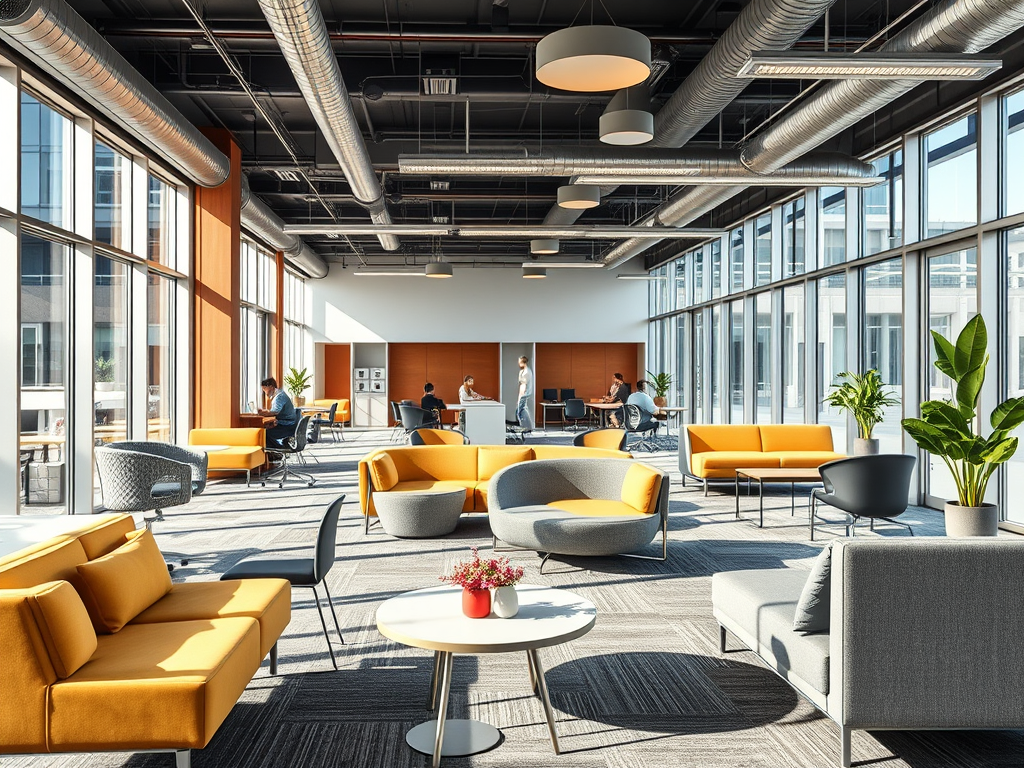
The modern office has undergone a profound transformation in recent years. Driven by changes in workplace culture, remote working trends, and an increased focus on employee well-being, traditional office layouts have given way to more dynamic and human-centered environments. Among the key elements redefining office design is breakout furniture—an essential component in creating flexible spaces that encourage collaboration, creativity, and rest.
As companies reimagine their workspaces, breakout furniture has emerged as more than just a design trend. It is a strategic response to the evolving needs of employees and organizations alike.
What Is Breakout Office Furniture?
Breakout office furniture refers to seating, tables, and lounge elements that are placed outside of formal workstations or meeting rooms. These pieces are typically used in designated “breakout zones”—spaces meant to foster informal interactions, quick team huddles, or solo reflection away from the rigidity of a desk.
These areas are not purely for aesthetics. Instead, they serve a critical functional purpose in enhancing overall workplace satisfaction, fostering communication, and even increasing productivity. When thoughtfully designed, breakout zones can adapt to a wide variety of work styles and tasks.
Why Breakout Zones Are Becoming a Staple in Office Design
Work is no longer defined solely by task completion. Offices now need to provide spaces for conversation, inspiration, relaxation, and mental clarity. Breakout furniture facilitates this shift by offering a blend of comfort, mobility, and versatility.
Here are some of the main reasons why organizations are investing in breakout areas:
- They allow employees to recharge during the day, reducing stress and mental fatigue.
- They encourage impromptu collaboration and cross-departmental interaction.
- They break the monotony of working at a desk for extended periods.
- They support a more inclusive, flexible work culture.
- They optimize underutilized office space.
When placed strategically, breakout zones contribute to a healthier, more engaging work environment without the need for major architectural changes.
Designing Effective Breakout Spaces
Creating a breakout area that truly serves its purpose requires more than just placing a few chairs near a coffee machine. The furniture selected must align with the company’s workflow, culture, and space limitations. Balance is key: the space must be inviting without becoming a distraction, and functional without being rigid.
Essential elements to consider when planning breakout spaces include:
- Ergonomic, comfortable seating that encourages short or long stays
- Lightweight, modular pieces that can be easily reconfigured
- Natural lighting and calming design aesthetics
- Access to power outlets and connectivity options
- Noise control features like rugs, partitions, or acoustic panels
- Proximity to work zones without being disruptive
Such an approach ensures that the breakout space becomes a natural part of the office flow, supporting productivity rather than interrupting it.
The Broader Impact on Workplace Dynamics
The integration of breakout office furniture doesn’t just affect physical space—it also reshapes workplace behavior. By signaling that informal interactions are valued, organizations create an atmosphere of openness and trust. This can be particularly beneficial in companies that rely on cross-functional collaboration or need to foster innovation.
Additionally, these spaces support neurodiverse employees or those who may need time away from overstimulating environments. The choice and layout of breakout furniture can cater to a range of sensory needs, helping everyone feel more comfortable and engaged.
For a closer look at how thoughtful breakout design enhances productivity, see: https://www.bloommagazine.co.uk/business/modern-breakout-office-furniture-enhancing-productivity-with-innovative-design/
Real-World Applications of Breakout Furniture
Breakout furniture is adaptable across a wide range of industries and business models. It can be found in:
- Creative agencies looking to spark innovation
- Corporate offices seeking to humanize the workday
- Tech companies encouraging agile, collaborative workflows
- Educational institutions supporting group study or downtime
- Coworking spaces aiming for a flexible, community-oriented feel
No matter the industry, the underlying goal remains the same: to create work environments that align with how people actually operate.
The Future of Work Includes Breakout Spaces
As office design continues to evolve, breakout furniture will likely play an even more prominent role. With hybrid work on the rise and the boundary between personal and professional life becoming increasingly blurred, companies must provide environments that meet a wider range of employee expectations.
This doesn’t mean turning offices into lounges, but rather embracing variety and intentionality in workspace planning. By offering different zones for different needs—quiet, focus-driven areas alongside lively, collaborative spaces—companies can maximize employee satisfaction and productivity.
Conclusion
Breakout office furniture reflects a broader shift in how we think about work and the spaces that support it. These flexible, informal areas help bridge the gap between focus and freedom, structure and spontaneity. When designed thoughtfully, they provide tangible benefits to employees and organizations alike—boosting creativity, reducing burnout, and enhancing the overall work experience.
As businesses continue to reimagine the future of work, breakout spaces will remain a cornerstone of adaptable and resilient office environments.
 Furnita
Leave a comment