
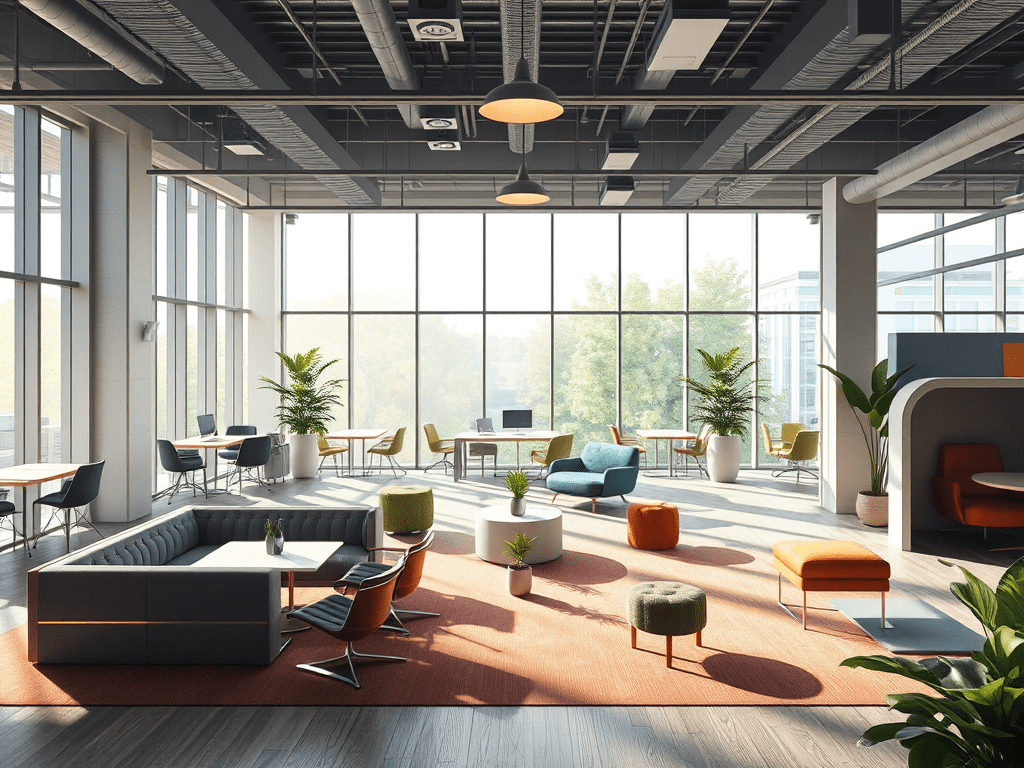
Modern workplaces are undergoing a fundamental transformation. As organizations move away from rigid office layouts toward more flexible and human-centered designs, the concept of breakout office furniture has become increasingly relevant. These dedicated spaces are not merely areas for relaxation — they serve as creative hubs that enhance collaboration, focus, and employee well-being.
What Defines Breakout Office Furniture
Breakout office furniture encompasses all the elements designed for informal, multifunctional areas within a workplace. Unlike traditional desks and cubicles, these furnishings promote flexibility, comfort, and spontaneous interaction. Soft seating, modular tables, acoustic pods, and high stools are commonly used to create zones that support both concentration and socialization.
The design philosophy behind breakout furniture is rooted in adaptability. As companies embrace hybrid work models and agile practices, employees need versatile spaces that cater to a wide range of activities — from brainstorming sessions to quiet reading or informal discussions over coffee.
How Breakout Spaces Influence Productivity
The connection between office design and employee performance has been well-documented. A well-designed breakout area can significantly improve focus, reduce stress, and enhance interpersonal communication. When employees have access to inviting, flexible environments, they feel more empowered to collaborate and exchange ideas freely.
Such areas help bridge the gap between structured meeting rooms and personal workstations. They encourage:
- Open communication, as informal settings help break down hierarchical barriers.
- Creativity, by providing spaces where ideas flow naturally.
- Mental recovery, through opportunities to step away from the screen and recharge.
- Team cohesion, as casual interactions strengthen social bonds.
These benefits contribute to higher morale and a more positive workplace culture overall.
Design Considerations for Effective Breakout Areas
Designing an effective breakout zone requires careful attention to layout, materials, and atmosphere. The goal is to create spaces that balance comfort and functionality while aligning with the organization’s overall aesthetic. Key design factors include:
- Flexibility: Modular furniture that can be reconfigured for different activities.
- Zoning: Clear visual and spatial boundaries that define quiet, collaborative, and social areas.
- Lighting: A mix of natural and ambient light to enhance mood and energy.
- Acoustics: Soft furnishings and acoustic panels to reduce noise levels.
- Sustainability: Use of eco-friendly materials that support long-term durability and environmental responsibility.
By focusing on these principles, organizations can create spaces that adapt to evolving work styles and diverse employee needs.
Adapting to Hybrid Work Environments
The rise of hybrid work has reshaped how offices function. Employees no longer come to the office solely to complete individual tasks; instead, they seek spaces for meaningful collaboration and team engagement. Breakout furniture plays a vital role in this context, offering adaptable solutions that accommodate both in-person and remote collaboration.
Offices now act as social anchors, and breakout zones provide the flexibility required to support that role. Comfortable seating arrangements, writable surfaces, and technology integration help connect employees across physical and digital workspaces.
The Long-Term Value of Investing in Breakout Furniture
Beyond short-term improvements in employee satisfaction, investing in breakout office furniture yields long-term organizational benefits. Flexible spaces can easily evolve with changing team sizes, technologies, and workflows, reducing the need for frequent renovations. Furthermore, creating environments that promote well-being contributes to talent retention and employer branding — key factors in today’s competitive job market.
Breakout furniture also aligns with broader workplace trends emphasizing sustainability, inclusivity, and employee autonomy. These spaces reflect a company’s commitment to creating a people-first culture that values both performance and comfort.
Conclusion: Redefining the Modern Office Experience
Breakout office furniture has redefined what it means to design a productive and engaging workplace. By prioritizing adaptability, comfort, and collaboration, it helps transform offices into environments that inspire creativity and strengthen team dynamics. As organizations continue to evolve, the role of breakout spaces will only become more prominent — serving as a bridge between work and well-being.
For additional insights into how modern breakout office furniture is shaping today’s workplaces, visit:
https://gb.kompass.com/p/posts-reviews/ua105689/modern-breakout-office-furniture-revolutionizing-workplace-collaboration/5987d0f1-6a97-4791-8938-950deaa126aa/
 Furnita
Leave a comment